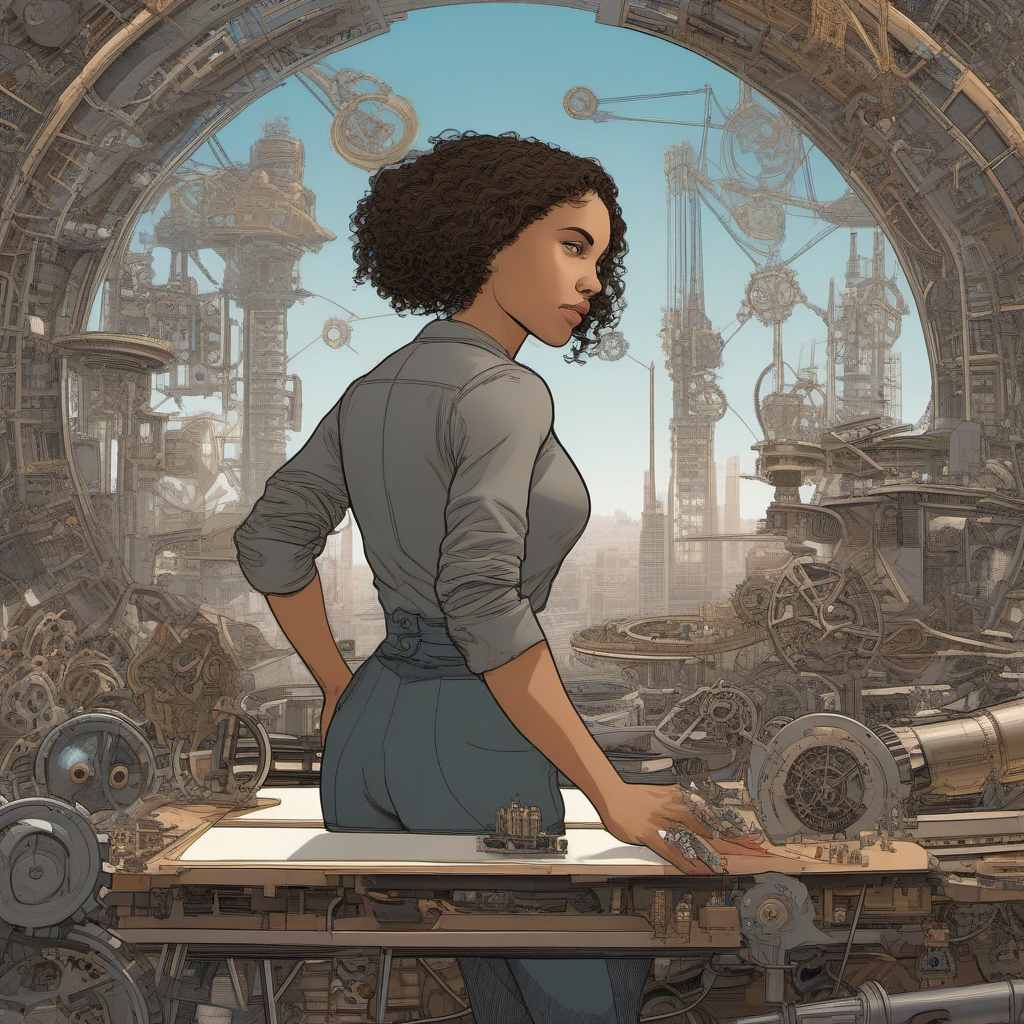
The representation of women in engineering has evolved considerably over the past few decades, impacting how technology is developed and implemented globally. This shift is crucial as diverse teams are known to drive innovation and improve company performance. As the tech industry in Ireland and Europe continues to grow, understanding these dynamics offers valuable insights for companies looking to harness the full potential of their workforce.
## What Women Are Doing in Engineering
Today, women are taking on a wide range of roles within engineering, from software development to systems architecture and beyond. Companies like Pluralsight and Rain Alliance are at the forefront of this transformation, offering platforms and opportunities for women to excel. Faye Ellis from Pluralsight highlights the role of continuous learning and upskilling, which is essential for keeping pace with rapid technological changes. Their platform provides courses that are tailored to help women bridge skill gaps, allowing them to thrive in traditionally male-dominated fields.
Aileen Ryan at Rain Alliance notes the organization’s commitment to fostering a more inclusive environment. They focus on creating leadership pathways and promoting diversity within their teams. By doing so, these companies are not just supporting women but are also setting a precedent for the industry, encouraging other organizations to follow suit.
## Competitive Context
Despite progress, challenges remain. Women are still underrepresented in engineering roles, particularly at senior levels. This imbalance is not just a gender issue but a competitive disadvantage. Companies with diverse leadership are 21% more likely to outperform their less diverse counterparts, according to McKinsey. In Europe’s competitive tech landscape, gender diversity becomes a strategic advantage.
Several initiatives are working to close this gap. The EU’s Women in Digital Strategy aims to increase female participation in the digital sector, leveraging policy tools and funding to support initiatives that encourage more women to pursue careers in tech. However, the effectiveness of these programs varies, with some critics arguing that they often fail to address the root causes of gender disparity.
## Real Implications for Irish and European Stakeholders
For Irish and European founders, engineers, and investors, the evolving landscape of women in engineering presents both opportunities and challenges. Companies that prioritize gender diversity can attract top talent, foster innovative thinking, and improve their bottom line. This is particularly relevant in Ireland’s Silicon Docks, where competition for skilled engineers is fierce.
Investors are also paying attention. Gender lens investing, which focuses on companies that promote gender diversity, is gaining traction. This trend could influence funding decisions, making it important for startups to demonstrate their commitment to diversity.
However, achieving true gender parity requires more than just policy changes. It demands a cultural shift within organizations, encouraging inclusive practices from recruitment to retention. As companies navigate the complexities of the EU’s regulatory landscape, such as GDPR and the upcoming AI Act, ensuring diverse teams can help them create more robust and ethical solutions.
What happens next is crucial. For Irish and European founders, engineers, or investors, embracing gender diversity isn’t just a matter of social responsibility—it’s a strategic move that can drive innovation and growth. As the technology landscape continues to evolve, those who prioritize inclusivity will likely lead the way in shaping the future.