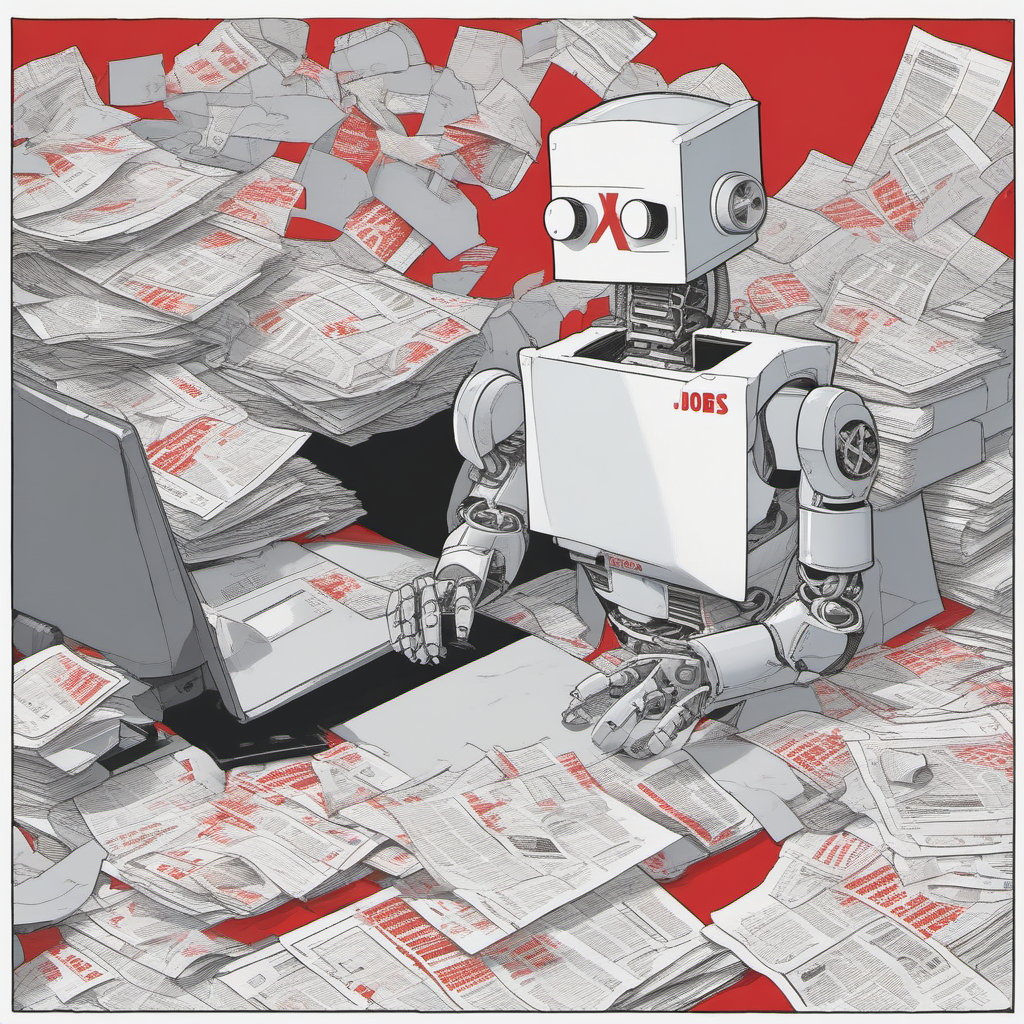
Thomson Reuters is set to cut 500 jobs as the company intensifies its adoption of artificial intelligence technologies. This move underscores the shifting landscape for traditional media and information services firms, highlighting the growing influence of AI on employment and operational strategies. For stakeholders in the technology and media sectors, this decision signals a continued transformation driven by AI, with potential ripple effects across the industry.
## What Thomson Reuters Does
Thomson Reuters is a global provider of news and information-based tools to professionals. Its offerings span legal, tax and accounting, compliance, government, and media markets. The company’s products and services are designed to help professionals make informed business decisions, often integrating data, analytics, and insights. By incorporating AI, Thomson Reuters aims to enhance the efficiency and effectiveness of its services, streamlining processes that have traditionally relied on human input.
The company’s pivot towards AI is part of a broader strategy to modernize its operations and deliver greater value to its customers. By automating routine tasks and improving data analysis capabilities, Thomson Reuters is positioning itself to better serve its clients in an increasingly competitive digital landscape.
## Competitive Context
Thomson Reuters is not alone in its AI-driven restructuring efforts. Many companies in the media and information sectors are leveraging AI to maintain competitiveness and drive growth. Competitors such as Bloomberg and RELX have also been investing heavily in AI to enhance their offerings and improve operational efficiencies. This trend reflects a wider industry movement towards automation and data-driven decision-making.
However, the adoption of AI also brings challenges. Companies must balance the benefits of automation with the potential impact on their workforce. As AI technologies become more prevalent, businesses need to navigate the complexities of workforce transitions, ensuring that employees are equipped with the necessary skills to thrive in this new environment.
## Implications for Irish and European Stakeholders
For Irish and European founders, engineers, and investors, the rise of AI in traditional sectors presents both opportunities and challenges. On one hand, the integration of AI into established industries can lead to new business models and revenue streams. Startups can explore partnerships with larger firms like Thomson Reuters to develop AI-driven solutions that address specific industry needs.
On the other hand, the shift towards automation raises concerns about job displacement and the need for upskilling. Engineers and tech professionals must stay abreast of the latest AI developments to remain competitive in the job market. Investors should consider the long-term implications of AI adoption on workforce dynamics and company valuations.
The regulatory landscape in Europe also plays a critical role. The EU’s AI Act, currently under discussion, aims to establish a legal framework for AI technologies, addressing issues such as transparency, accountability, and data privacy. Irish and European companies will need to ensure compliance with these regulations as they integrate AI into their operations.
## What Happens Next
As Thomson Reuters progresses with its AI strategy, the focus will likely be on optimizing the balance between technology adoption and workforce management. The company will need to navigate the challenges of AI integration while maintaining its commitment to customer satisfaction.
For Irish and European technology stakeholders, this development serves as a reminder of the importance of staying agile in a rapidly evolving landscape. Founders and engineers should consider how AI can be leveraged to drive innovation within their own organizations, while investors should keep a close eye on how AI adoption impacts the broader industry.