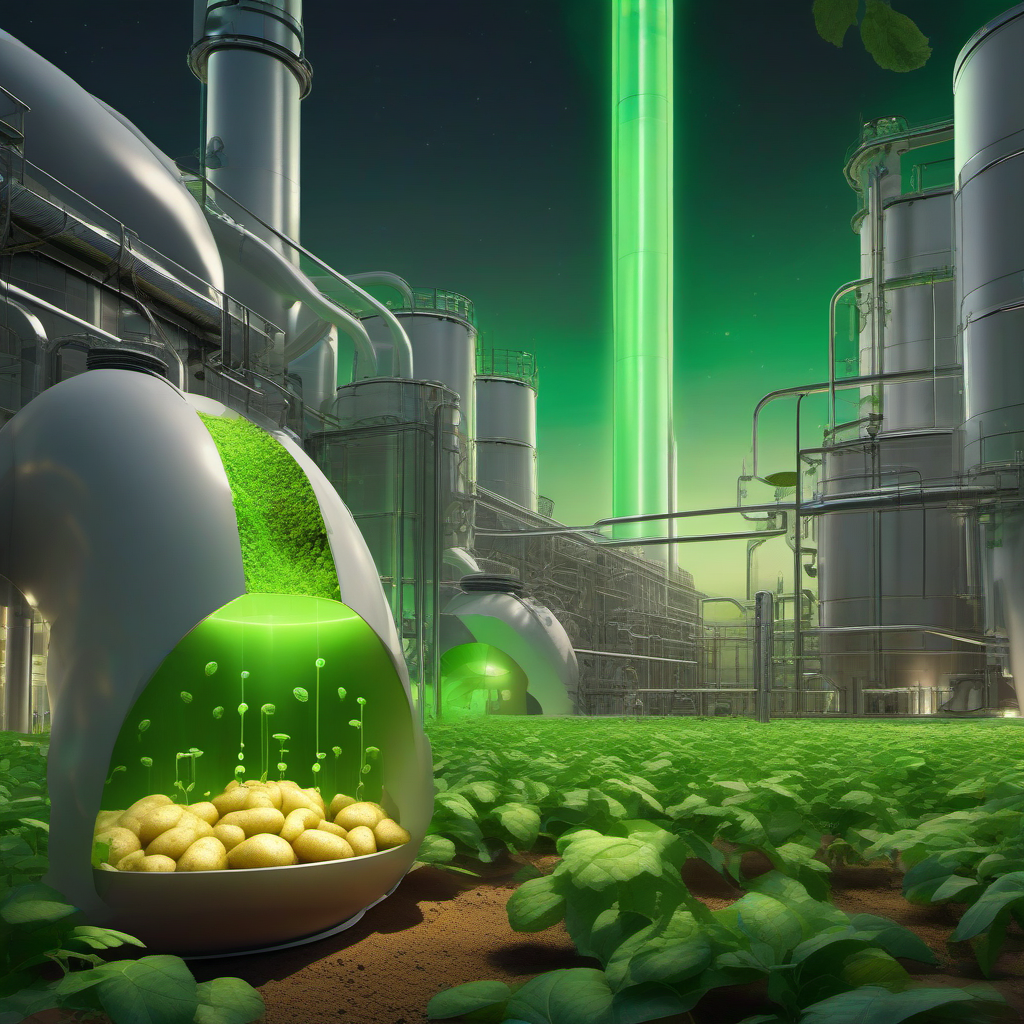
PACE has launched Europe’s first full-scale retrofitted biorefinery in a bid to transform potato juice, a byproduct of potato processing, into sustainable bio-based chemicals. This initiative is crucial as it aims to reduce Europe’s reliance on fossil and palm oil-based chemicals while promoting circular economy practices. The project highlights the potential of using existing industrial infrastructure to create valuable chemical building blocks from previously underutilized resources.
### Transforming Potato Juice into Bio-based Chemicals
The PACE project is a groundbreaking effort that seeks to convert potato juice side-streams into medium-chain fatty acids (MCFAs) using advanced fermentation and microbial chain elongation techniques. The biorefinery has been retrofitted into Royal Avebe’s existing production facility, showcasing how industrial byproducts can be leveraged for sustainable chemical production. These MCFAs have numerous applications across the chemical industry, offering a sustainable alternative to traditional chemical sources.
The project’s emphasis on utilizing existing infrastructure and locally available side-streams highlights a pragmatic approach to sustainable chemistry. By integrating circular solutions within current industrial systems, PACE is setting a precedent for how other sectors might similarly transition towards more sustainable practices without starting from scratch.
### Competitive Context and Market Implications
In a market dominated by fossil and palm oil-based chemistry, PACE’s initiative stands out as a potentially viable alternative. The EU’s push towards reducing carbon footprints and enhancing sustainability aligns well with PACE’s objectives. The project represents a strategic effort to diversify Europe’s chemical supply chain, which could enhance resilience against global supply disruptions.
However, the commercial viability of bio-based MCFAs remains to be fully tested. While the environmental benefits are clear, the economic feasibility will depend on market uptake and the ability to compete with established chemical products. The project’s success will heavily rely on demonstrating that these bio-based chemicals can meet or exceed the performance and cost-effectiveness of their conventional counterparts.
### Implications for Irish and European Stakeholders
For Irish and European founders, engineers, and investors, PACE offers a case study in leveraging circular economy principles within existing industrial frameworks. It presents an opportunity to explore similar retrofitting projects in various sectors, potentially unlocking new revenue streams from industrial byproducts.
The project also underscores the importance of collaboration across borders, as seen in its diverse consortium of partners from multiple European countries. This collaborative model could serve as a blueprint for other EU initiatives aiming to address sustainability challenges. Additionally, with the EU’s regulatory landscape evolving, particularly with the AI Act and GDPR, the emphasis on sustainable practices is likely to become more pronounced, offering opportunities for businesses that align with these values.
### What Happens Next?
As the PACE project progresses, the focus will shift towards optimizing the MCFA production process and validating its applications in targeted industries. Simultaneously, the consortium will conduct sustainability and market uptake assessments to facilitate future replication across Europe.
For Irish and European founders, the PACE project highlights the growing importance of sustainable innovation. As regulatory frameworks tighten and consumer demand for eco-friendly products increases, there is a clear opportunity for those who can effectively align their business models with circular economy principles.