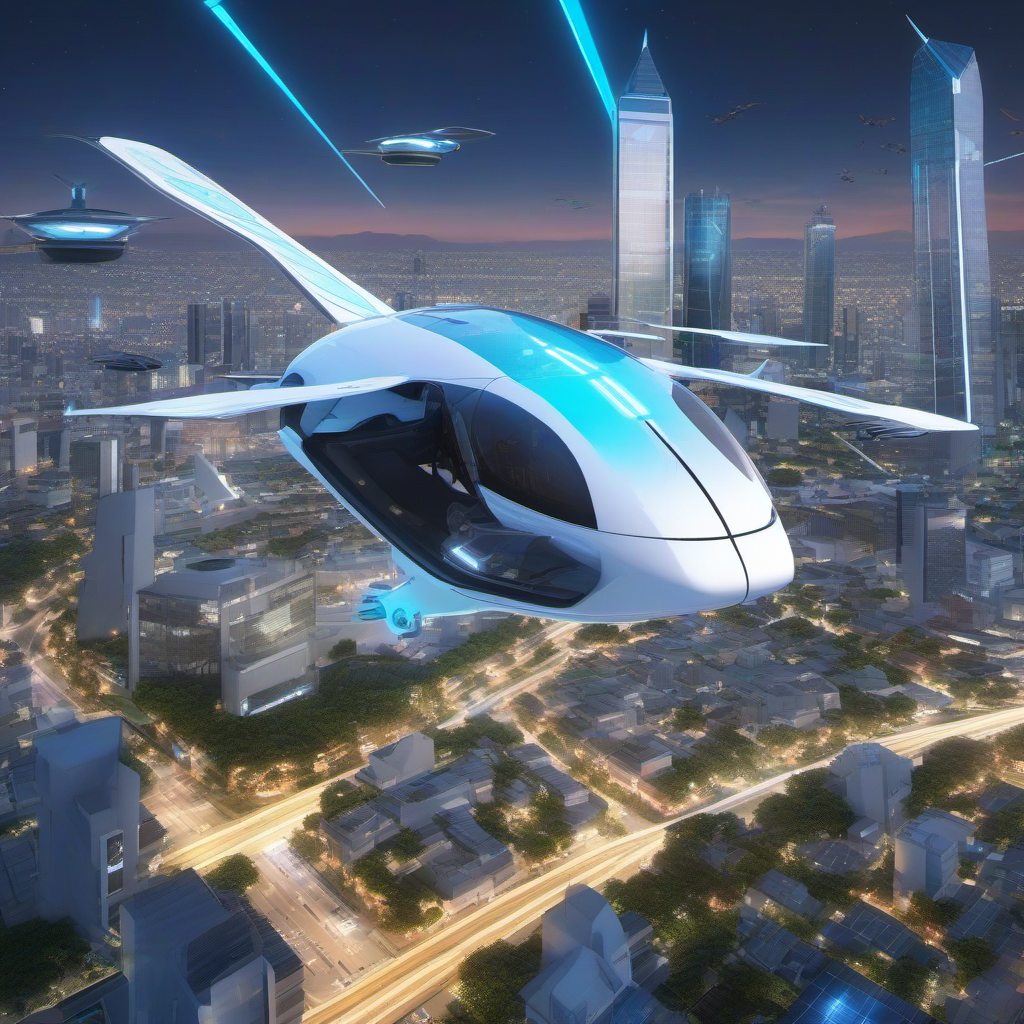
Hitachi has announced a partnership with Eve Air Mobility to accelerate the development of urban air transport solutions. This collaboration highlights the growing interest in urban air mobility (UAM) and its potential to transform urban transportation. As cities become more congested, the need for innovative solutions to improve mobility and reduce carbon emissions becomes critical, making this partnership particularly relevant.
## What Hitachi and Eve Are Building
Eve Air Mobility, a subsidiary of the Brazilian aerospace manufacturer Embraer, focuses on developing electric Vertical Take-Off and Landing (eVTOL) aircraft. These aircraft are designed to operate within urban environments, offering an alternative to traditional ground transportation. By collaborating with Hitachi, known for its expertise in infrastructure and digital technology, Eve aims to integrate these aircraft into existing urban transport systems.
The partnership will leverage Hitachi’s digital solutions and data analytics to optimize eVTOL operations. This includes route planning, air traffic management, and ensuring compliance with regulatory requirements. The goal is to create a seamless network where air taxis can operate efficiently alongside traditional transport modes.
## The Competitive Landscape
The urban air mobility market is becoming increasingly competitive, with major players like Uber Elevate (now part of Joby Aviation), Volocopter, and Lilium investing heavily in eVTOL technology. These companies are racing to secure regulatory approvals and establish partnerships to gain a foothold in this nascent market.
Eve’s collaboration with Hitachi could provide a strategic advantage by integrating advanced digital technologies into its operations. However, challenges remain, including stringent safety regulations, public acceptance, and the development of necessary infrastructure such as vertiports. The European Union’s regulatory framework, particularly the upcoming AI Act, will likely play a crucial role in shaping the operational landscape for UAM services.
## Implications for the Irish and European Tech Ecosystem
For Irish and European founders, engineers, and investors, the partnership between Hitachi and Eve presents both opportunities and challenges. As urban air mobility becomes more viable, there will be a need for innovative solutions in areas like battery technology, air traffic management systems, and regulatory compliance. Startups and tech firms with expertise in these areas could find lucrative opportunities to collaborate with or supply to UAM companies.
Moreover, the European tech ecosystem could benefit from increased investment in infrastructure and technology development driven by UAM initiatives. However, stakeholders must navigate EU regulations, such as GDPR and the Digital Markets Act, which could impact data sharing and competitive practices within the industry.
As the urban air mobility sector evolves, Irish and European tech professionals will need to stay informed about regulatory changes and technological advancements to capitalize on emerging opportunities.
## What Happens Next
The collaboration between Hitachi and Eve is set to advance with pilot projects and demonstrations in select urban areas. These initiatives will test the integration of eVTOL aircraft into existing transport networks and gather data to refine operational models. Success in these trials could pave the way for broader adoption and potentially influence regulatory standards.
For Irish and European founders, engineers, and investors, staying engaged with developments in urban air mobility will be crucial. As the industry matures, those positioned at the intersection of technology, regulation, and infrastructure will be best equipped to seize new opportunities.