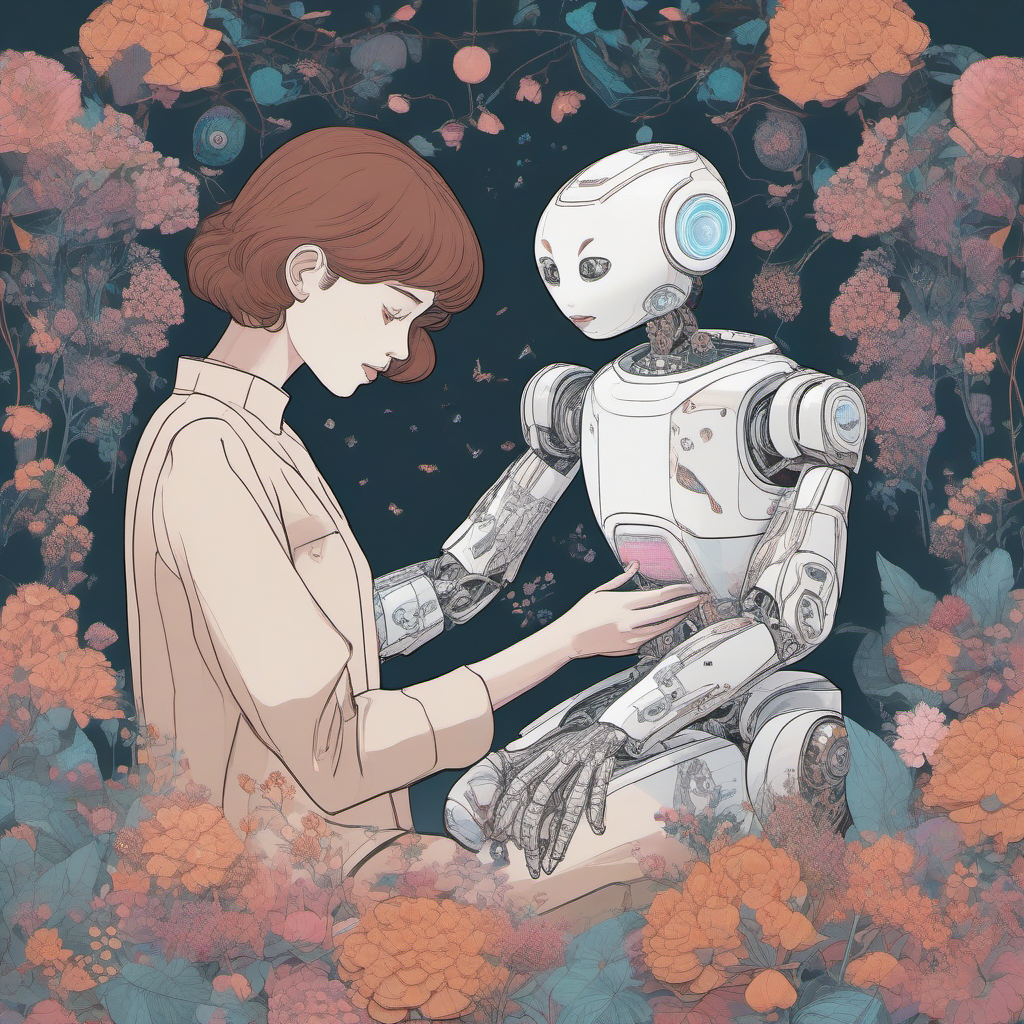
A new study by Dr. Agnieszka Piotrowska offers a deep dive into the psychological and ethical dimensions of human relationships with artificial intelligence. This research, encapsulated in her book “AI Intimacy and Psychoanalysis,” examines whether AI can reciprocate human emotions and what these interactions reveal about human nature. As AI continues to permeate daily life, understanding these dynamics becomes critical for tech developers and policymakers alike.
## Understanding AI Intimacy
Dr. Agnieszka Piotrowska, a filmmaker and psychologist, explores the complex web of emotions that humans can develop towards AI. Her work questions the capacity of AI to engage in relationships that resemble human intimacy. The study navigates through layers of human desire, projection, and the responsibilities that come with these digital interactions. By framing AI within psychoanalytic theories, Piotrowska sheds light on how AI can mirror human traits and desires, albeit without genuine emotional reciprocity.
Her previous works, including the documentary “Married to the Eiffel Tower,” have positioned her as a keen observer of unconventional human attachments. This background informs her current exploration of AI, providing a unique perspective that blends psychology with technology. Her approach is neither overly optimistic nor pessimistic but rather aims to present a balanced view of AI’s role in modern human relationships.
## Competitive Context and Industry Implications
In the tech industry, the dialogue around AI intimacy is gaining traction as companies strive to create more human-like machines. Tech giants are investing heavily in AI research, seeking to enhance machine learning models that simulate human interaction. However, the ethical implications of these advancements are under scrutiny, especially as the European Union tightens regulations with initiatives like the AI Act.
The competitive landscape is fierce, with startups and established companies vying for leadership in AI development. However, Dr. Piotrowska’s study suggests that while technological capabilities are advancing, understanding the psychological impact of these interactions is equally crucial. This is particularly relevant for European tech companies, which must navigate both innovation and compliance with stringent regulatory frameworks.
## Implications for Irish and European Stakeholders
For Irish and European founders, engineers, and investors, Dr. Piotrowska’s findings underscore the importance of considering the psychological aspects of AI development. As AI becomes more integrated into sectors like fintech, SaaS, and consumer technology, the potential for human-like interactions raises questions about data privacy, user consent, and ethical AI use.
Engineers and developers are challenged to design AI systems that respect user autonomy while providing meaningful interactions. Investors, meanwhile, have an opportunity to support ventures that prioritize ethical AI development, aligning with the EU’s regulatory direction. The study highlights the need for a multidisciplinary approach that combines technical expertise with insights from psychology and ethics.
## What Happens Next
As AI continues to evolve, its role in human relationships will remain a critical area of study. Dr. Piotrowska’s work sets the stage for further research into the ethical and psychological dimensions of AI intimacy. For Irish and European stakeholders, this presents both a challenge and an opportunity to lead in creating AI systems that are not only advanced but also ethically sound.