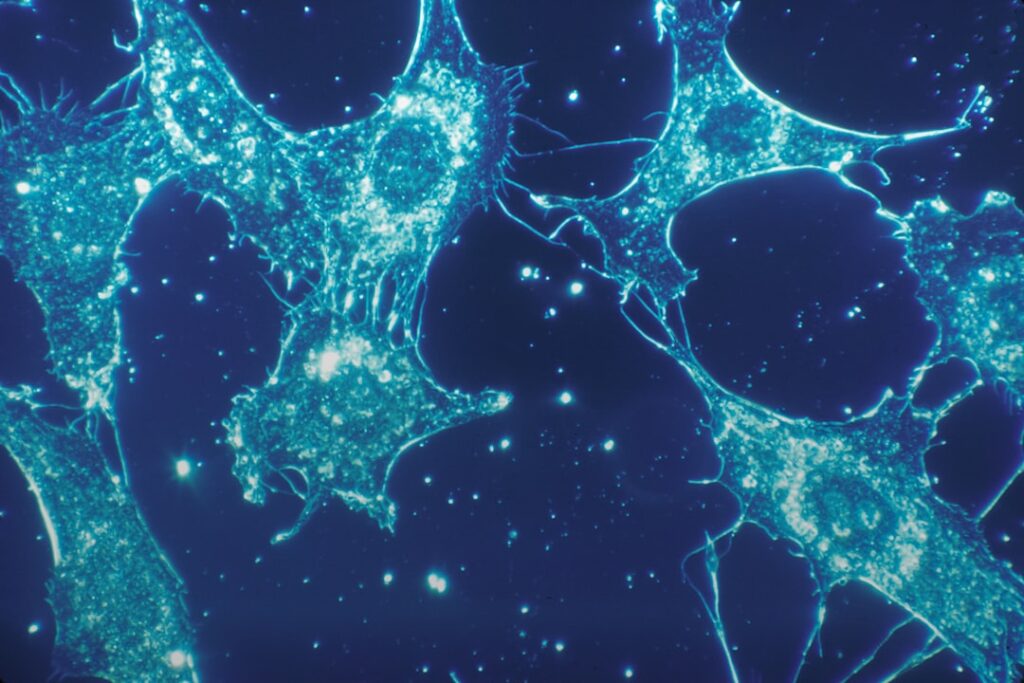
Bit.Bio, a UK-based biotech company, has unveiled a novel approach to drug discovery using coded cells, a development that could accelerate research timelines and reduce costs in the pharmaceutical industry. This advancement is particularly relevant for Ireland’s thriving biotech sector, which is constantly seeking more efficient ways to develop therapies and enhance research capabilities.
## What Bit.Bio Does
Bit.Bio specializes in reprogramming human cells to provide reliable and consistent models for research and drug discovery. The company’s technology converts stem cells into any human cell type through precise genetic coding. This method allows researchers to generate large quantities of human cells for testing, which can be crucial in early-stage drug development.
The ability to produce human cells on demand is a significant step forward for laboratories that rely on animal models, which often fail to accurately predict human responses. Bit.Bio’s approach promises more accurate data, potentially leading to faster and more effective drug development processes. Their technology could be particularly impactful in areas such as cancer research, neurodegenerative diseases, and regenerative medicine.
## Competitive Context
In the competitive landscape of biotechnology, Bit.Bio stands out with its unique focus on human cell reprogramming. While companies like Organoids and 3D bioprinting firms are also exploring human tissue models, Bit.Bio’s technology offers a streamlined, scalable solution that could give it a competitive edge.
The biotech sector is seeing increased investment, with global funding reaching record levels. In this context, Bit.Bio’s ability to provide reliable and scalable human cell models may attract significant investor interest, both from venture capitalists and larger pharmaceutical companies looking to enhance their R&D capabilities.
Ireland’s biotech ecosystem, centred around Dublin and other hubs, can benefit from such advancements. Irish startups and research institutions can leverage Bit.Bio’s technology to improve their own drug discovery processes, potentially leading to more partnerships and collaborative research projects across Europe.
## Implications for Irish and European Stakeholders
For Irish and European founders, engineers, and investors, Bit.Bio’s technology presents both opportunities and challenges. The opportunity lies in the potential for collaboration and investment in a technology that could redefine drug discovery. Irish biotech startups could integrate Bit.Bio’s cell models into their research, potentially reducing costs and improving the accuracy of their results.
However, the technology’s implications also extend to the regulatory landscape. The EU’s AI Act and GDPR will likely influence how such biotech innovations are deployed and data is managed. Companies will need to navigate these regulations carefully to ensure compliance while maximizing the potential of Bit.Bio’s technology.
The rise of human cell modeling also prompts a reevaluation of educational and workforce strategies. Engineers and researchers in Ireland and across Europe must adapt to new methodologies, requiring training and development in genetic coding and advanced biotechnologies.
Looking ahead, Bit.Bio plans to expand its library of human cell types, aiming to cover a broader range of diseases and research needs. For Irish and European stakeholders, staying informed and agile in adopting these technologies will be crucial. Those who can effectively integrate Bit.Bio’s models into their research and development processes may find themselves at the forefront of the biotech industry, driving innovation and collaboration across borders.