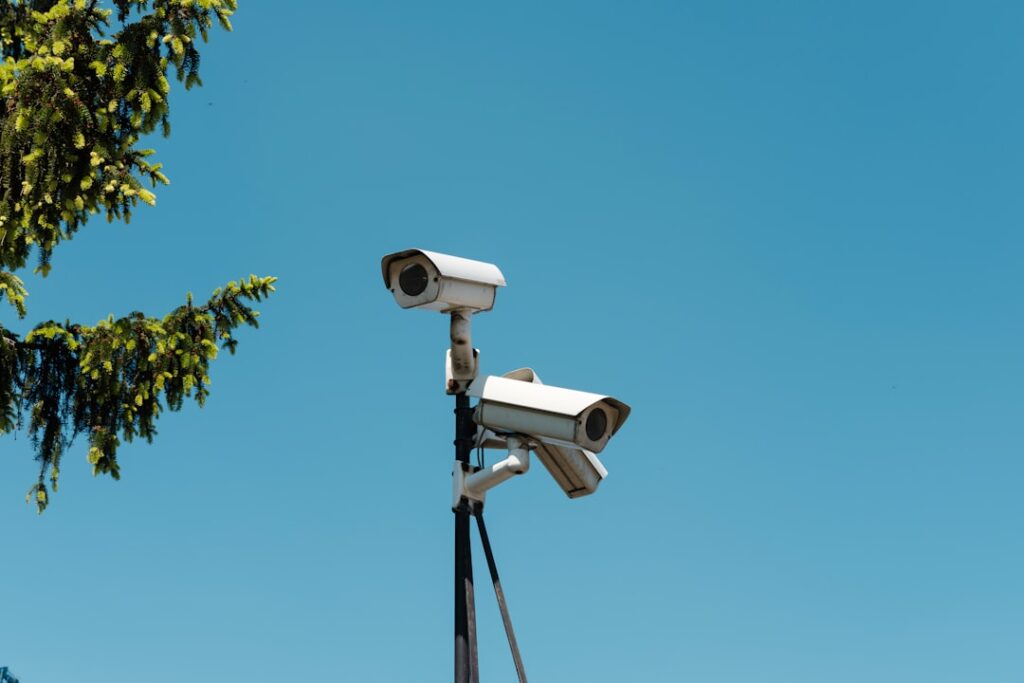
Artificial intelligence is reshaping video surveillance by offering smarter, automated solutions that address evolving security demands and operational challenges for businesses. AI-powered analytics enhance efficiency, enabling faster incident responses and reducing the manual workload traditionally associated with constant footage monitoring. This shift is essential as organisations seek to manage larger premises and address staffing constraints.
### Transformation from Traditional Surveillance to Data-Driven Insight
Traditionally, commercial surveillance systems relied on passive video capture and basic motion-triggered alerts, often generating numerous irrelevant alarms. These systems demanded time-consuming manual review, which was neither efficient nor effective.
Today’s video analytics employ advanced algorithms to differentiate significant events from everyday activity. AI now interprets patterns and prioritises alerts, ensuring genuine risks are identified swiftly. This data-driven approach also introduces predictive capabilities. By analysing historical footage, AI can anticipate potential incidents, enabling more effective resource allocation. Security teams can position personnel in high-risk areas during specific times or conditions, transforming surveillance from a reactive tool into a strategic asset that informs broader security planning.
### Deployment of Object Detection and Rule-Driven Alerts
AI-enabled surveillance leverages object detection and classification tools to monitor environments by distinguishing between people, vehicles, and other objects. This capability is crucial for identifying restricted area intrusions, unauthorised access, or suspicious activity without constant human oversight.
Behaviour-based analytics further enhance security by detecting patterns such as loitering, tailgating, crowding, or after-hours movement, thereby supporting safety and compliance. Some systems even offer search functionalities using specific object attributes, allowing operators to locate relevant footage quickly and efficiently.
### Operational Improvements and Practical Value Delivered
Integrating AI into surveillance systems significantly reduces false alarms and alert fatigue for monitoring teams. Real-time video analysis filters out non-essential events, enabling personnel to concentrate on critical incidents and respond more efficiently.
Improved alert triage highlights urgent threats while deprioritising routine activities, streamlining the workflow. This functionality supports incident response and enhances overall operational efficiency. As expectations around security grow, AI-enhanced systems provide practical solutions for businesses seeking faster response times and reduced manual intervention.
### Implications for Irish and European Stakeholders
For Irish and European founders, engineers, and investors, AI-driven video surveillance represents a growing market with practical applications across various sectors. The adoption of such technologies can lead to enhanced security measures, operational efficiencies, and compliance with EU regulations like GDPR. However, stakeholders must navigate the complexities of AI ethics and data privacy, ensuring that systems are compliant with the EU’s AI Act and other relevant legislation.
Looking ahead, as AI technology continues to evolve, businesses will need to remain vigilant about potential regulatory changes and ethical considerations. For Irish and European investors, the sector presents opportunities for growth, but success will depend on balancing technological advancement with regulatory compliance and consumer trust.