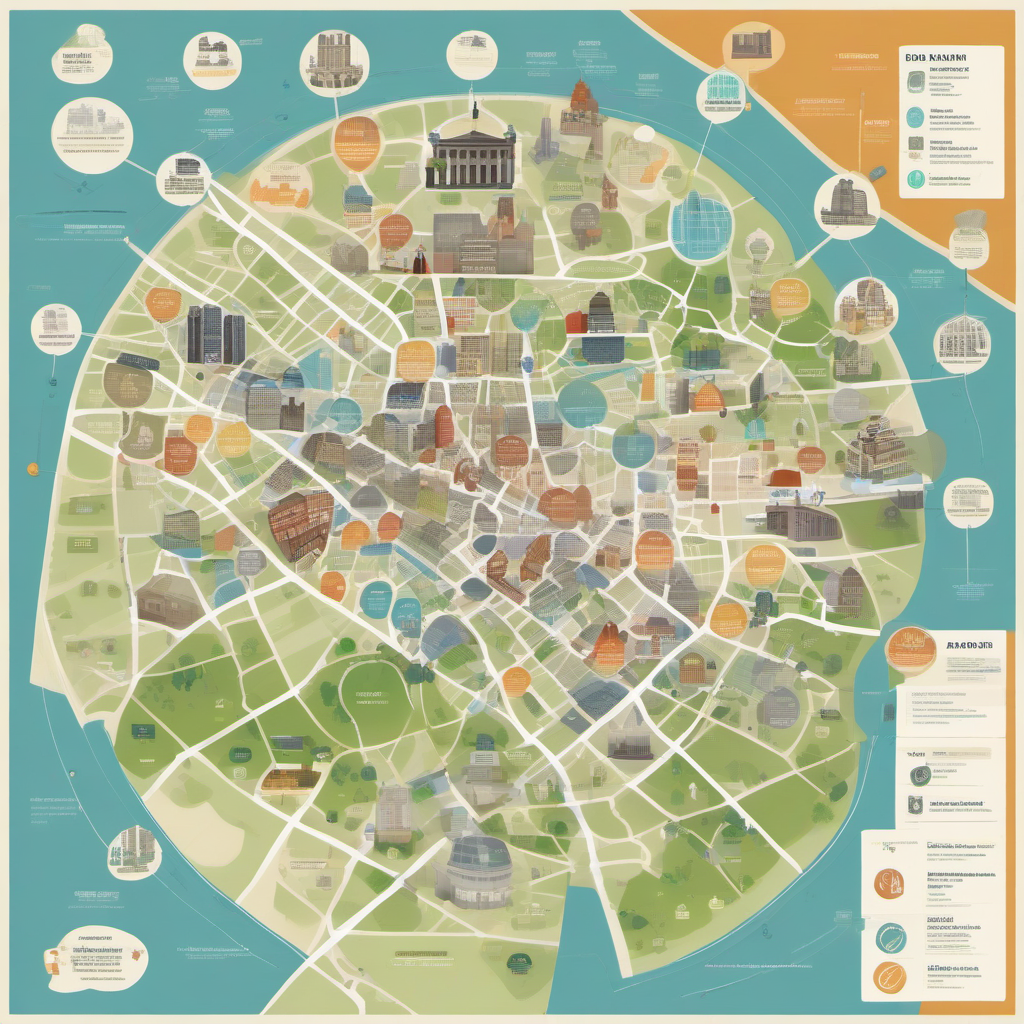
Dublin City Council, in collaboration with the All-Island Research Observatory (AIRO) at Maynooth University, has launched the Dublin City Knowledge Hub. This new online platform offers unprecedented access to a wealth of local data across various sectors, transforming how policymakers, researchers, and the public can engage with information about Dublin City. This development matters because it sets a precedent for how local authorities can leverage data to enhance decision-making and transparency in urban management.
## What the Dublin City Knowledge Hub Offers
The Dublin City Knowledge Hub is a pioneering initiative by a local authority in Ireland, providing a single access point to over 20 interactive dashboards and mapping applications. These tools cover a broad spectrum of local data, including demographic, social, economic, housing, and environmental characteristics. Users can delve into data at various levels, such as Local Electoral Areas (LEAs), Dublin City Committee Areas, and smaller local areas with about 75 households. The platform draws on authoritative public data from the Central Statistics Office, Department of Housing, and other key agencies, ensuring users have access to reliable and up-to-date information.
The hub is designed to be a practical resource for informed decision-making, offering insights into population demographics, health indicators, income levels, and housing activity. By consolidating these datasets, the hub supports Ireland’s National Open Data Strategy, demonstrating the benefits of reusing publicly funded data to drive policy innovation and community engagement.
## Competitive Context and Regional Implications
While the Dublin City Knowledge Hub is the first of its kind in Ireland, it aligns with a broader European trend towards open data and digital transparency. Initiatives like the EU’s Open Data Directive encourage member states to improve access to public sector information, fostering innovation and economic growth. The hub’s development reflects Ireland’s commitment to these principles, offering a model for other cities across Europe.
However, the platform’s success will depend on its usability and the real-world application of its data. While the interface is designed to be user-friendly, the true test will be whether policymakers and community organizations can leverage the data effectively to influence urban development and social policies. For Irish and European tech companies, the hub represents an opportunity to explore partnerships that could enhance data analytics and visualization tools, adding value to the public sector’s digital transformation efforts.
## Implications for Founders, Engineers, and Investors
For Irish and European founders, engineers, and investors, the Dublin City Knowledge Hub offers a glimpse into the potential of data-driven urban management. Tech startups focused on data analytics, civic tech, and smart city solutions can view this as a case study in public-private collaboration. The platform can inspire new products and services that harness local data to address urban challenges, from housing shortages to environmental sustainability.
Investors may find opportunities in startups that can integrate with or complement the hub’s offerings, particularly those that enhance data accessibility or provide actionable insights for urban planning. As the hub evolves with new datasets, including upcoming Census 2027 results, there will be an increasing demand for innovative solutions that can process and interpret large volumes of data efficiently.
Looking ahead, the Dublin City Knowledge Hub will continue to expand its data offerings, providing an evolving resource for decision-makers and the public. For Irish and European tech stakeholders, this initiative underscores the importance of engaging with public data initiatives, not only as a means of fostering transparency but also as a platform for innovation and growth in the digital economy.