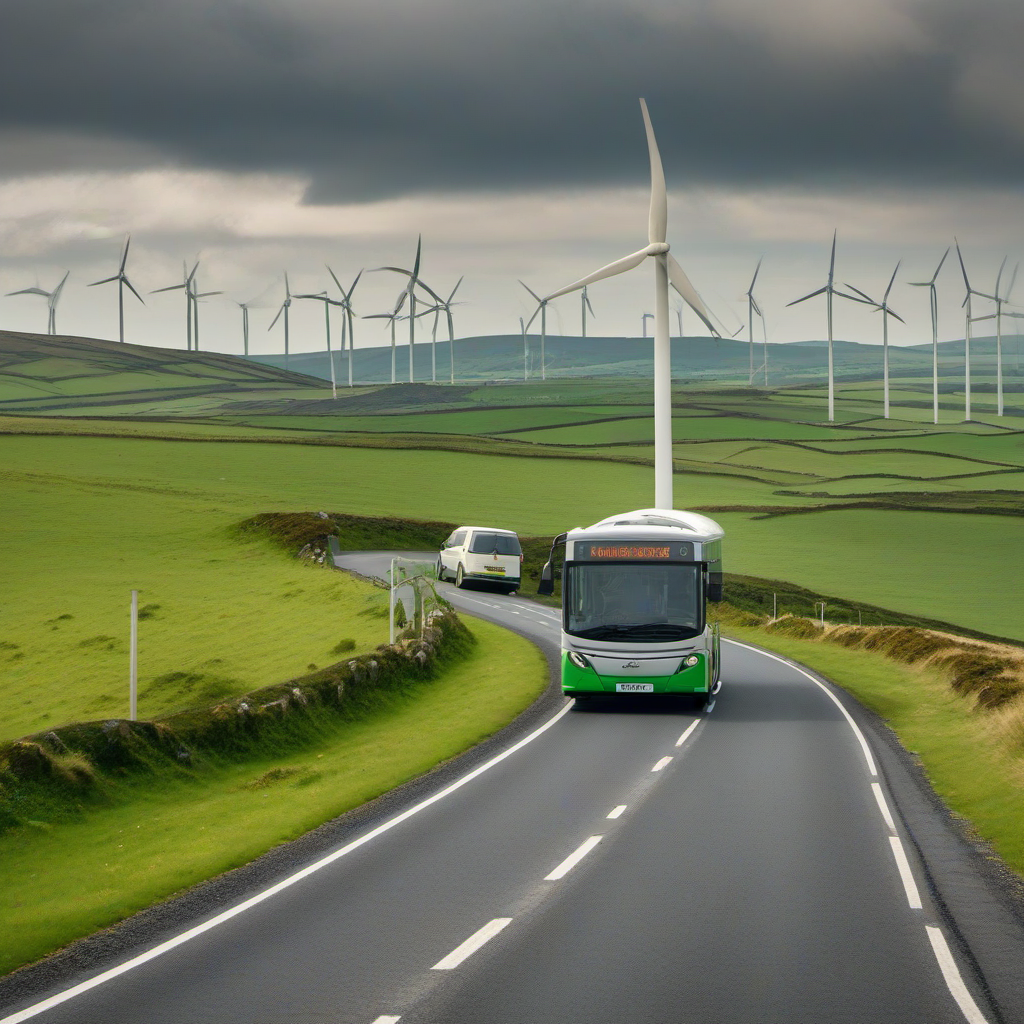
Flogas and College Group have announced a renewable gas deal aimed at decarbonising Ireland’s transport sector. The agreement will see Flogas purchase 26 GWh of biomethane annually from College Group’s Nobber facility in Co. Meath. This deal is a step towards enhancing Ireland’s energy independence and reducing carbon emissions, aligning with the country’s net-zero objectives.
## What Flogas and College Group Are Doing
Flogas, a subsidiary of DCC Energy plc, is committed to transitioning the Irish transport sector away from fossil fuels. By securing a dedicated supply of biomethane, Flogas aims to provide an alternative energy source that is both reliable and homegrown. The biomethane will be generated from the anaerobic digestion of animal by-products and agri-food waste, a process that supports the circular economy by transforming waste into energy.
College Group, known for its bio-waste management capabilities, will produce the biomethane at its Nobber facility. With a total production capacity of 75 GWh per year, the facility will now contribute significantly to Flogas’s renewable energy offerings. The partnership with Flogas builds on a two-decade relationship between the two companies, focusing on enhancing energy efficiency and sustainability.
## Competitive Context and Industry Implications
The partnership between Flogas and College Group signals a growing trend in the energy sector towards renewable gas solutions. As Ireland seeks to meet its climate goals, the demand for indigenous energy sources is increasing. This agreement positions both companies to play a critical role in the transition to cleaner energy, especially in the transport sector, which is a notable contributor to carbon emissions.
However, the biomethane market in Ireland remains nascent, with competition from established energy sources. Initiatives like the EU’s Renewable Energy Directive are pushing for increased adoption of renewable gases, but the industry still faces challenges, including infrastructure development and market scalability. For Irish and European founders, engineers, and investors, this sector presents opportunities, albeit with the need for strategic partnerships and innovation to overcome existing barriers.
## Real Implications for Stakeholders
For Irish and European stakeholders, this deal highlights the potential of biomethane as a viable energy source. The agreement not only reduces carbon emissions but also offers energy security by decreasing dependence on imported fossil fuels. For Irish hauliers, it means a more stable energy supply and reduced exposure to fossil fuel price volatility.
Investors might find opportunities in the renewable gas sector, particularly as companies like Flogas explore further supply agreements. The partnership with College Group could serve as a blueprint for future collaborations, showcasing how waste-to-energy projects can meet both environmental and economic objectives. Engineers and technical professionals have a role to play in advancing the technologies that underlie biomethane production and distribution.
## Next Steps
Flogas is already looking to expand its renewable gas supply, including potential deals in Northern Ireland. As the company continues to build its portfolio, stakeholders can expect more projects aimed at scaling biomethane supply across the island. This move could pave the way for further decarbonisation initiatives in the transport sector and beyond.
For Irish and European founders, engineers, and investors, the message is clear: the future of energy lies in innovation and collaboration. As the renewable gas market grows, those who can navigate the regulatory landscape and leverage emerging technologies will be well-positioned to lead in this evolving sector.