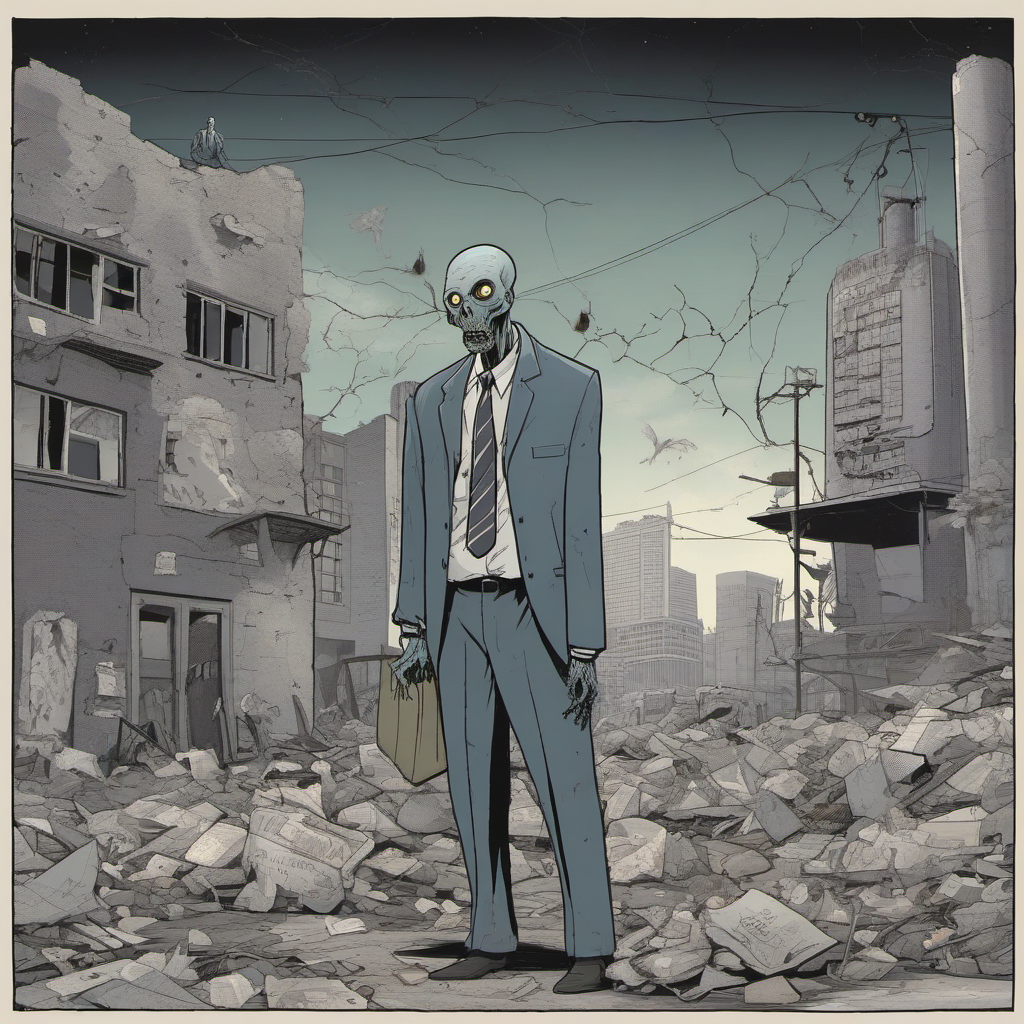
Saros Consulting’s recent research reveals that large enterprises in Ireland are spending an average of €667,000 annually on so-called “zombie projects.” These projects, which have lost strategic relevance or ceased to provide value, continue to drain resources because they have not been formally terminated. This finding underscores a significant inefficiency in enterprise IT management, with implications for resource allocation and organisational agility.
## Understanding Zombie Projects
Zombie projects are initiatives that linger without delivering meaningful outcomes or aligning with current business priorities. According to Saros Consulting’s CIO Strategy Report 2026, these projects persist due to a lack of decisive action to halt them. The research, conducted by Censuswide, surveyed 200 IT decision-makers from Irish organisations with over 250 employees. It highlights that nearly one in five large organisations lack a formal IT strategy, while only half of those with a strategy describe it as ambitious. This misalignment between IT investments and strategic goals is a primary factor allowing zombie projects to thrive.
## The Competitive Context
In a competitive business environment, the cost of maintaining zombie projects can be substantial. The survey reveals that although 64% of IT leaders believe their strategies help avoid poor investments, a significant portion of budgets is still misspent. The persistence of these projects creates a financial burden, increasing operational costs and reducing the ability to invest in growth-oriented initiatives. Comparatively, firms with clear, adaptive IT strategies are better positioned to pivot and respond to market changes, suggesting that Irish enterprises may lag behind their European counterparts in this respect.
## Implications for Founders and Investors
For Irish founders, engineers, and investors, the study’s insights are a call to scrutinise their project portfolios and governance frameworks. Zombie projects not only tie up capital but also prevent organisations from reallocating resources to more promising ventures. Investors may see these findings as a red flag, prompting them to seek greater transparency and strategic alignment in potential investments. For engineers, the persistence of outdated projects can stifle innovation and limit opportunities for professional growth within an organisation.
## Next Steps
The findings from Saros Consulting indicate a pressing need for Irish companies to evaluate their IT governance and strategy alignment. Enterprises that adopt a zero-tolerance policy towards zombie projects stand to reclaim resources and redirect efforts towards more strategic, value-generating activities. For Irish and European founders, the challenge and opportunity lie in fostering a culture of continuous improvement and strategic alignment to remain competitive in a rapidly evolving market.