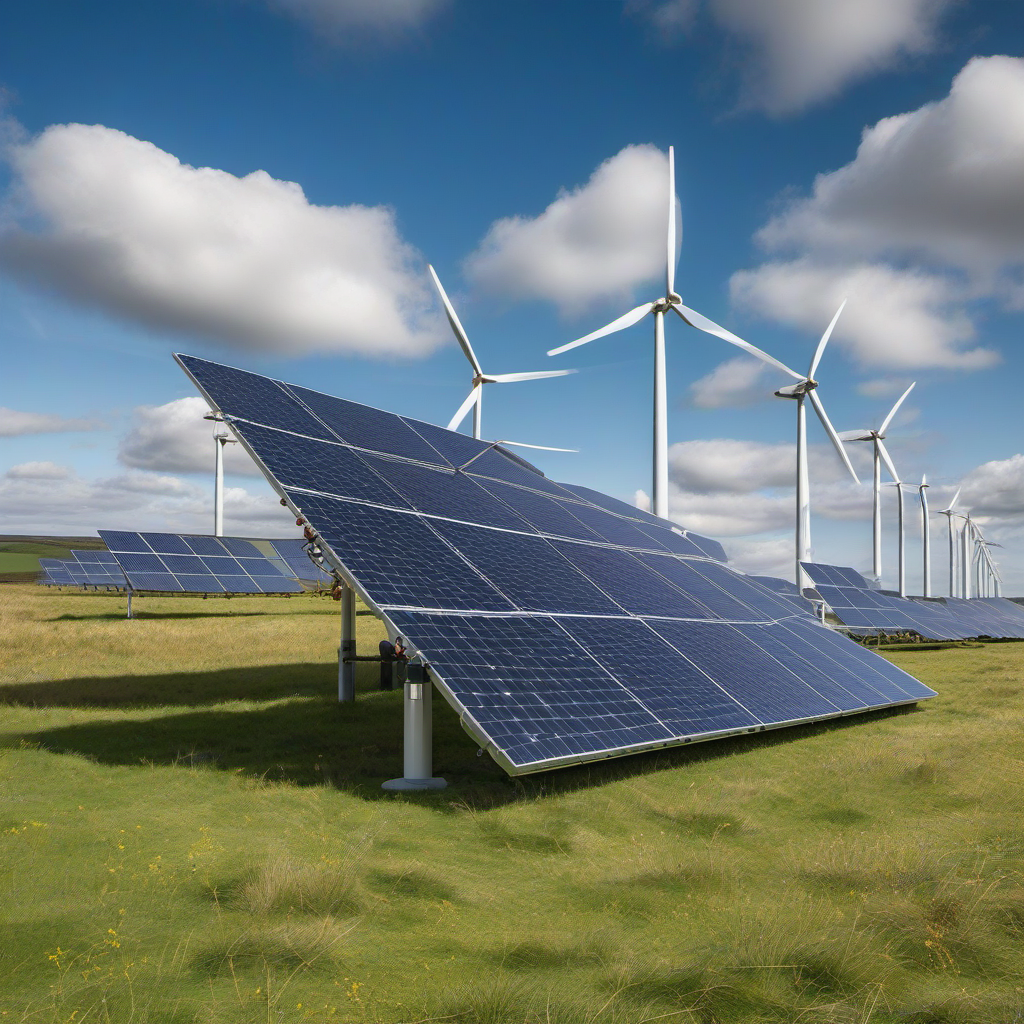
Ireland’s solar energy sector reached a milestone in June, with solar power contributing 8.2% to the nation’s electricity fuel mix, according to provisional data from EirGrid. This increase, up from 7.8% in May and 5.3% in June 2025, underscores the growing role of solar energy in Ireland’s renewable energy landscape. For a country historically reliant on wind energy, this shift signifies a diversification of its renewable energy sources, which is crucial for meeting long-term sustainability goals.
### Solar Energy’s Role in Ireland’s Power System
EirGrid’s data reveals a notable advancement in solar energy integration, with solar farms playing a pivotal role in the national grid. The push towards solar is part of a broader strategy to transform Ireland’s energy mix, aiming for a power system capable of operating with up to 95% renewable sources by 2030, and 100% by 2035. Currently, the system can handle up to 75% renewable energy. This transformation is part of EirGrid’s new Corporate Strategy, which emphasizes clean energy and a more flexible power system.
The record-breaking solar contribution in June is attributed to the sunny weather, but also to the strategic integration of large grid-scale solar farms. These developments are essential as Ireland works to reduce its dependence on fossil fuels and imported energy, with gas generation still accounting for 40% of electricity and 17% imported via interconnection.
### Competitive Context and Challenges
Ireland’s renewable energy sector has been predominantly driven by wind power, which still leads with 30.7% of the fuel mix in June. The total wind energy generation reached 821 GWh, highlighting its continued significance. However, the rise of solar energy is a noteworthy development in diversifying the renewable energy portfolio. This shift presents a competitive landscape for energy providers and technology companies specializing in solar solutions.
The European Union’s regulatory framework, including the AI Act and GDPR, plays a crucial role in shaping the renewable energy sector. As Ireland continues to integrate more renewable sources, compliance with these regulations ensures sustainable and responsible energy production. Investors and technology providers must navigate these regulatory landscapes, which can impact the deployment of new technologies and data management practices.
### Implications for Irish and European Stakeholders
For Irish and European founders, engineers, and investors, the increased role of solar energy presents both opportunities and challenges. The integration of solar power into Ireland’s energy mix opens avenues for innovation in energy storage solutions, grid management, and smart technologies. Entrepreneurs can explore new business models that leverage Ireland’s growing renewable energy infrastructure.
Investors have the opportunity to fund solar projects and technologies that align with Ireland’s strategic goals for clean energy. As Ireland aims to achieve a higher percentage of renewable energy, there is a growing market for investments in sustainable and scalable energy solutions. However, stakeholders must remain mindful of regulatory requirements and the need for technological advancements to support a flexible and efficient power system.
### Looking Ahead
As EirGrid continues to balance supply and demand, the focus will remain on integrating more renewable sources into the electricity grid. The coming years will see a concerted effort to enhance solar and wind capacity, alongside advancements in grid infrastructure and energy storage technologies. For Irish and European stakeholders, staying informed about these developments and aligning with regulatory frameworks will be key to capitalizing on the evolving energy landscape.