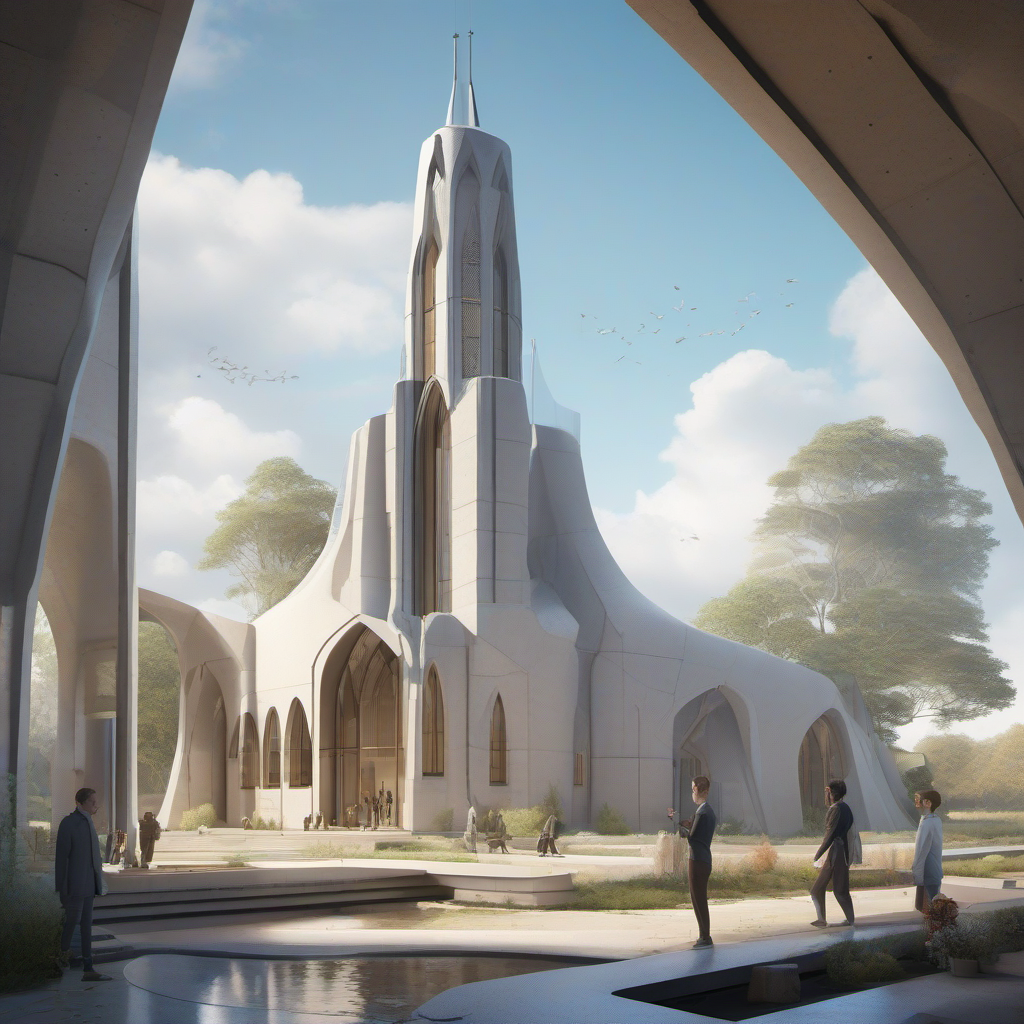
A new chapter in the Irish construction and quarrying sectors begins as Future Cast opens its multi-million-euro innovation hub in Manorhamilton, Co. Leitrim. This transformation of a once derelict 200-year-old church into a cutting-edge 10,000 sq ft facility marks a significant investment in regional development, promising to create 15 new roles. With the backing of the Border Enterprise Development Fund administered by Enterprise Ireland, the centre aims to bolster innovation and skills training, drawing attention from stakeholders across government, industry, and academia.
## Transforming Tradition: What Future Cast Offers
The Future Cast Innovation, Research and Development and Education Centre, officially opened by Minister for Enterprise, Tourism and Employment Peter Burke, is poised to become a pivotal resource for Ireland’s construction and quarrying industries. Situated in the renovated St Clare’s Hall church, the facility houses a geological material science laboratory, spaces for prototype-building and machine development, and a 3D concrete printer. This not-for-profit organisation aims to provide companies and designers with access to cutting-edge equipment and technical expertise, facilitating the development of ideas and the progression of R&D projects.
As a European Digital Innovation Hub, Future Cast supports over 220 member and partner companies, aiding their access to innovation and digitalisation resources. The centre’s offerings extend to green skills training, with programs anticipated to focus on areas such as 3D concrete printing and the maintenance of offshore wind energy infrastructure, reflecting a commitment to sustainable industry practices.
## Competitive Context: Filling a Niche in Regional Development
Future Cast’s new hub fills a crucial niche in Ireland’s regional development, particularly in the construction and quarrying sectors. While major urban centres like Dublin’s Silicon Docks continue to attract tech giants and startups, initiatives like Future Cast are essential for spreading economic opportunities across the country. By transforming a historic building into a modern innovation centre, Future Cast underscores the potential of Ireland’s rural areas as fertile grounds for technological and industrial advancement.
The competition in this sector remains limited, given the specialised focus on materials science and construction technology. However, Future Cast’s integration into EU initiatives such as Erasmus+ and Horizon Europe highlights its strategic advantage. These collaborations not only enhance the centre’s resource pool but also position it as a conduit for European-level research and development projects, offering Irish companies a bridge to broader markets.
## Implications for Irish and European Innovators
For Irish and European founders, engineers, and investors, the establishment of Future Cast presents both opportunities and challenges. The hub’s focus on sustainable construction technologies aligns with growing regulatory pressures, such as the EU’s Green Deal and the forthcoming AI Act, which push for eco-friendly and innovative solutions. This alignment could attract investment and talent to the region, fostering a community centred on forward-thinking industry practices.
However, the overhyped potential of such centres should be approached with caution. While the promise of new jobs and increased R&D capacity is appealing, the true measure of success will be in the tangible benefits delivered to local economies and industries. For investors, the key will be in identifying projects that not only leverage the centre’s resources but also demonstrate clear pathways to market relevance and regulatory compliance.
The opening of the Future Cast hub in Manorhamilton signals a strategic move towards decentralising Ireland’s innovation landscape, offering a template for similar initiatives across Europe. For Irish founders considering similar ventures, the lesson lies in balancing regional heritage with cutting-edge technology to create centres that are not only functional but also culturally resonant.
## Looking Ahead: What’s Next for Future Cast?
As Future Cast settles into its new role as a regional leader in construction and quarrying innovation, the focus will shift towards operationalising its ambitious programmes. Key to its success will be the ability to foster sustainable partnerships with industry leaders and academic institutions, ensuring the continuous flow of expertise and resources. For European investors and innovators, the evolution of Future Cast will serve as a barometer for the viability of similar rural innovation centres in addressing both local and continental industrial challenges.