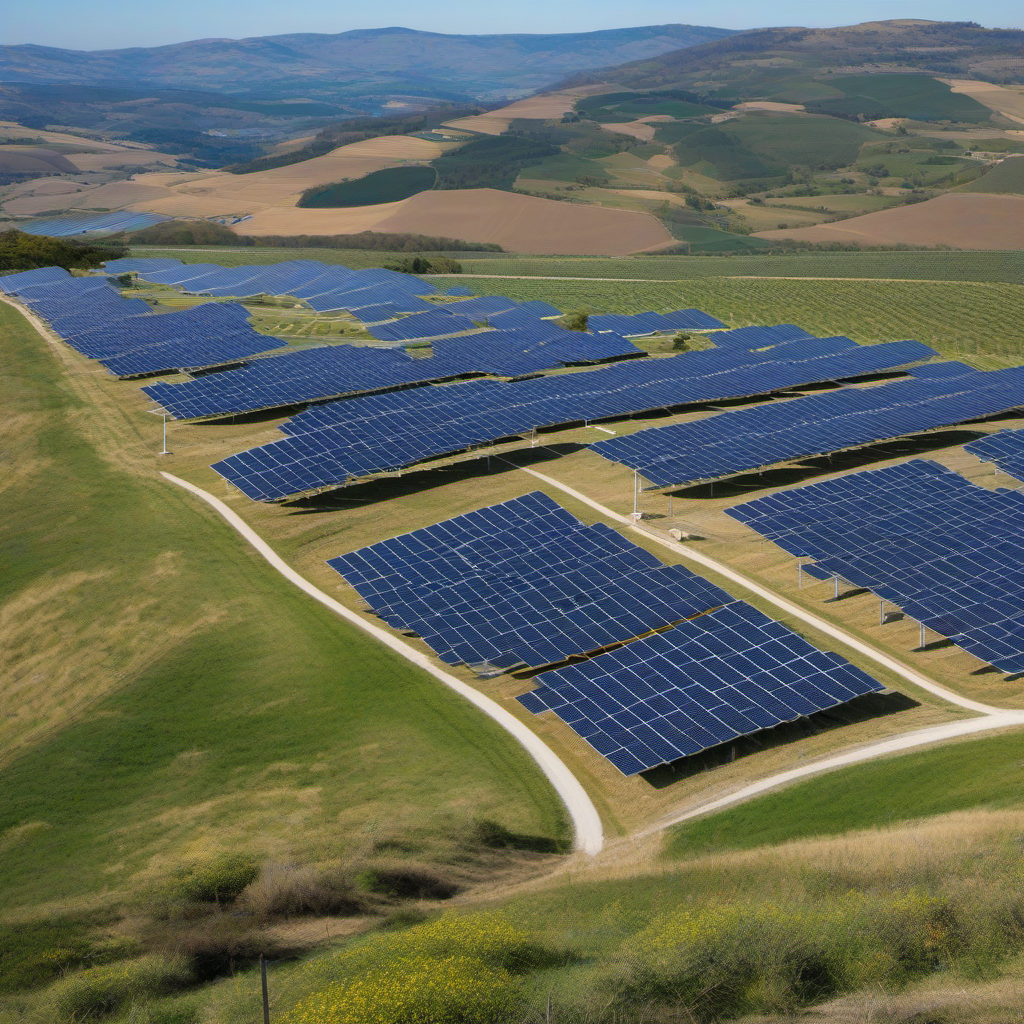
Ireland’s solar power capacity has surged almost 300% in the last three years, reaching 2.7 GW by May 2026. This rapid expansion marks a crucial development in Ireland’s renewable energy landscape, bolstering energy resilience and reducing emissions. As the nation moves towards a sustainable energy future, continued collaboration in policy, planning, and infrastructure will be vital to maintain this growth trajectory.
## Understanding Ireland’s Solar Power Expansion
The recent data, published in Solar Ireland’s annual Scale of Solar 2026 report, underscores the increasing role of solar energy in Ireland’s electricity system. The report, unveiled by Minister for Climate, Energy and the Environment Darragh O’Brien TD, indicates substantial growth in solar-generated electricity, with more than 1.17 TWh produced in the past year. This achievement reflects both utility-scale and micro-generation efforts, with utility-scale capacity surpassing 1.5 GW and micro-generation reaching 805 MW.
Rooftop solar adoption is also on the rise, with Clare leading the country in installations. Over 190,000 homes and businesses are now generating their own electricity, contributing significantly to the national grid. The geographical spread of solar facilities highlights Meath as the leader in utility-scale generation, producing 441 GWh in the past 12 months, with Wexford and Cork following suit.
## Competitive Context and Challenges
Ireland’s solar sector is experiencing one of the fastest growth rates in Europe, aligning with EU objectives for renewable energy adoption. However, this rapid expansion comes with challenges. The need for cohesive policy frameworks and robust grid infrastructure is critical to accommodate the increasing solar capacity. Regulatory hurdles, such as the EU’s Renewable Energy Directive and local planning permissions, may impact future developments.
Despite these challenges, Ireland’s solar industry benefits from favorable conditions, including a supportive policy environment and increasing public and private investment. As global energy markets shift towards renewables, Ireland’s solar sector must navigate competition from other European countries also ramping up their renewable energy capacities.
## Implications for the Irish and European Tech Ecosystem
The dramatic rise in solar capacity presents numerous opportunities for Irish and European founders, engineers, and investors. The burgeoning solar market could spur innovation in solar technology, energy storage solutions, and smart grid management. For tech startups and established companies alike, there is potential to develop new products and services that enhance the efficiency and integration of solar power into the national energy mix.
Investors, particularly those focused on sustainability and green technology, may find promising ventures within Ireland’s solar sector. The growth trajectory suggests a robust return on investment potential, backed by government incentives and a clear trajectory towards a low-carbon economy.
## What’s Next for Ireland’s Solar Sector
Looking ahead, Ireland’s solar power capacity is expected to exceed 3.3 GW by the end of the year. This continued growth will require sustained efforts in policy refinement, infrastructure development, and investment in skills training. As electricity demand increases, driven by electrification across various sectors, the solar industry must innovate to meet these challenges.
For Irish and European founders and engineers, the expanding solar sector offers a fertile ground for innovation and collaboration. By capitalizing on this momentum, they can contribute to a sustainable energy future while driving economic growth and technological advancement.