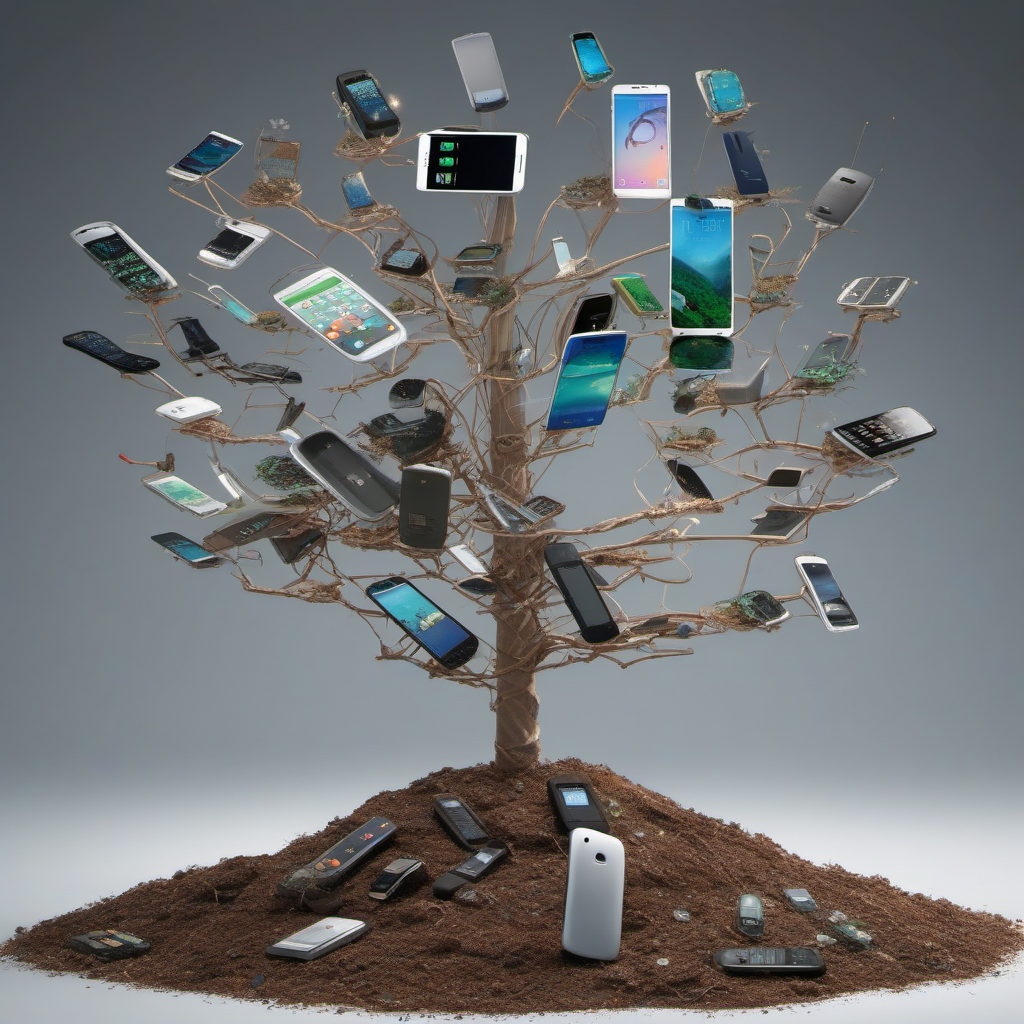
Swappie, Europe’s prominent online retailer for refurbished electronics, has announced a milestone achievement: full-year EBITDA profitability of €2.5 million for 2025. This development is not just a financial feat but an indicator of the growing viability of circular business models, which combine economic success with environmental sustainability. Notably, Swappie’s profits in Ireland soared by over 350% year-on-year, reflecting a significant shift in consumer behavior towards refurbished devices.
## Understanding Swappie’s Business Model
Swappie specializes in selling high-quality refurbished electronics, primarily smartphones, offering consumers a sustainable and cost-effective alternative to buying new. The company buys used devices from consumers, refurbishes them to high standards, and resells them through its platform. This model not only extends the life of electronic devices but also reduces electronic waste, aligning with the growing consumer demand for sustainable products. In 2025, Swappie sold approximately 650,000 refurbished devices, demonstrating a strong market appetite for reliable, affordable, and eco-friendly electronics.
## Competitive Landscape and Market Trends
Swappie’s profitability comes amidst a competitive landscape where refurbished electronics are gaining traction. While traditional electronics retailers and manufacturers are exploring refurbishment programs, Swappie’s dedicated focus on this segment gives it a unique edge. The company’s growth is fueled by a noticeable shift in consumer perception, as refurbished devices are increasingly seen as trustworthy alternatives to new products. This trend is evident in the rising average order value and the increasing number of consumers opting for refurbished over new.
The broader European market underscores this shift. According to Eurostat, more than half of Europeans retain old smartphones at home, highlighting a significant opportunity for companies like Swappie to tap into the dormant market of unused electronics. Swappie’s Consumer-to-Business (C2B) operations have been crucial in this regard, with a 12% year-on-year increase in sell-back queries, indicating a growing consumer interest in monetizing old devices.
## Implications for Irish and European Stakeholders
For Irish and European founders, engineers, and investors, Swappie’s success story offers valuable insights. It underscores the potential of circular business models in achieving profitability while addressing sustainability goals. The increased consumer acceptance of refurbished products suggests a market ripe for innovation and investment in similar environmentally conscious ventures.
However, the journey is not without challenges. Local data shows that a significant proportion of Irish consumers, 69%, still hold onto old phones, indicating the need for increased consumer education and incentivization. This presents opportunities for entrepreneurs to develop solutions that encourage recycling and resale, further driving the circular economy.
From a regulatory perspective, the European Union’s focus on sustainability through policies like the Circular Economy Action Plan offers a supportive framework for businesses like Swappie. Compliance with regulations such as the General Data Protection Regulation (GDPR) remains crucial, especially in handling consumer data during device refurbishment and resale.
## What’s Next for Swappie
Swappie’s achievement of full-year profitability in 2025 sets the stage for further expansion and innovation. The company plans to explore new product categories and markets, capitalizing on the growing consumer demand for sustainable alternatives. As Swappie continues to expand its footprint, stakeholders in the tech ecosystem should watch closely for opportunities to collaborate or compete in this evolving market landscape.
For Irish and European founders, Swappie’s success highlights the potential of aligning business models with sustainability trends. As consumer preferences continue to evolve, there is ample opportunity to innovate within the circular economy, offering products and services that meet both economic and environmental needs.